The project
A 100,000 tonne a year green hydrogen plant, fully converted to ammonia.
In the current design case all hydrogen is converted to green ammonia. Supplying hydrogen directly to industry and mobility is being evaluated as a second product.
Design basis
The numbers the plant is being engineered to.
Current working basis as of November 2026. Yield and recovery factors are planning assumptions to be replaced by supplier guarantees.
| Parameter | Design basis | Note |
|---|---|---|
| Green hydrogen to synthesis | 100,000 tonnes / year | Net fresh feed. Current case routes all of it to ammonia; direct hydrogen supply is under evaluation. |
| Green ammonia produced | ~555,000 tonnes / year | At an assumed 98% net synthesis yield. |
| Green ammonia saleable | ~552,000 tonnes / year | After an assumed 99.5% handling recovery. |
| Electrolysis capacity | ~720 MW | At 90% utilisation; about 762 MW at 85%. |
| Electricity demand | ~6.2 TWh / year | Electrolysis, synthesis, air separation, storage and handling. |
| Hydrogen buffer | 8 hours of feed | Intermediate storage reference; 0 and 24 hour cases also modelled. |
| Ammonia storage | Refrigerated, atmospheric | Sized by ship parcel: 15,000, 25,000 or 30,000 tonnes. |
| Loading rate | 500 tonnes / hour | Planning reference, subject to terminal confirmation. |
Mass and energy balance
What goes in, and what comes out.
Power, water and air are the only inputs. Annual flows at the current design basis.
Technology
Proven process units, chosen for bankability.
The first plant uses technology that lenders' engineers already know. Emerging processes are monitored, not relied on.
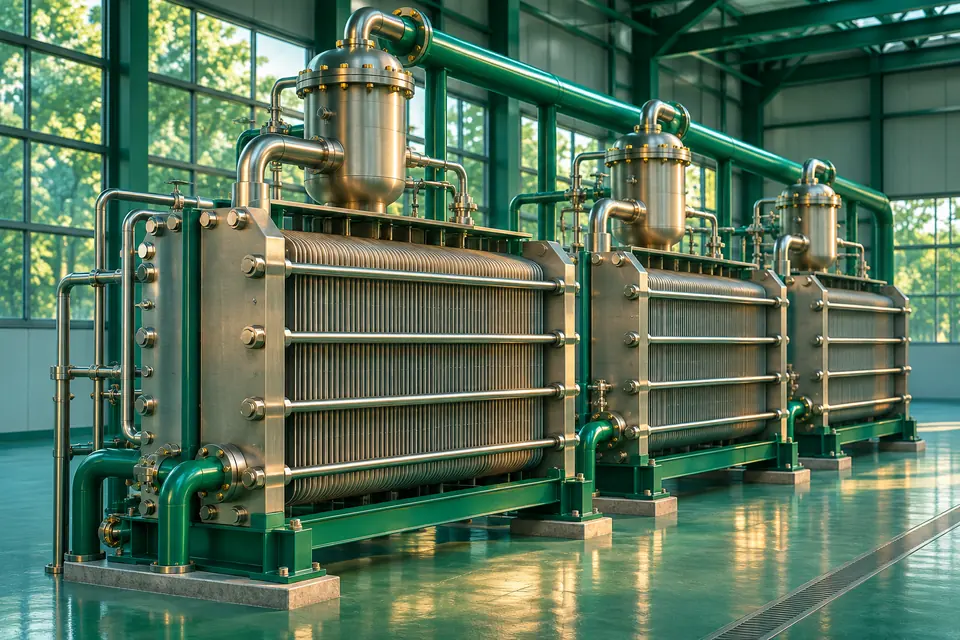
Pressurised alkaline electrolysis
The most widely deployed electrolysis technology at large scale. Our supplier comparison covers 22 manufacturer groups and 30 product families, including manufacturers with production in India.
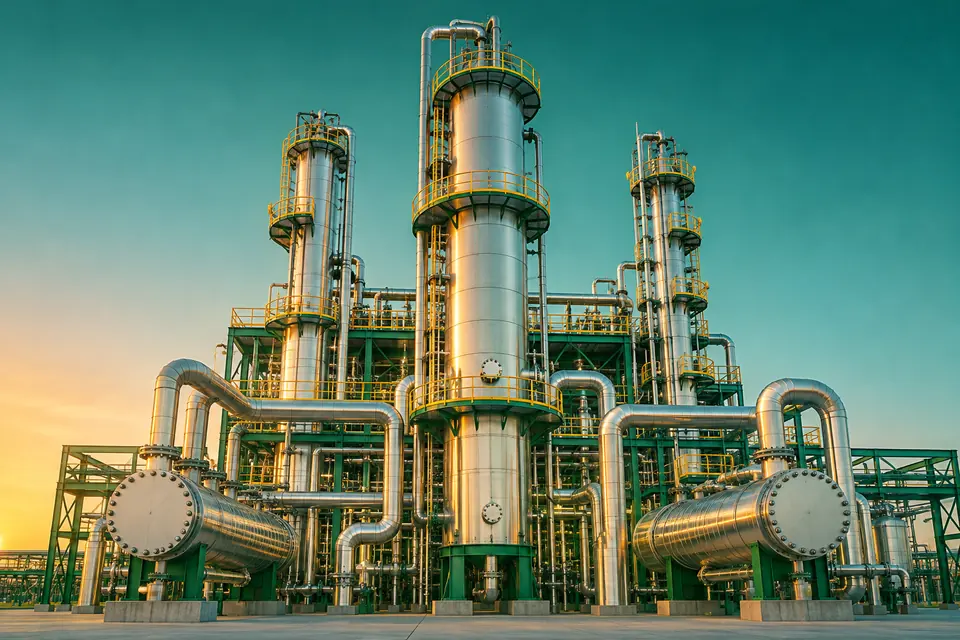
Haber-Bosch synthesis
A conventional synthesis loop from an established ammonia licensor with electrolytic-ammonia references, designed to follow a renewable power profile.
Refrigerated storage
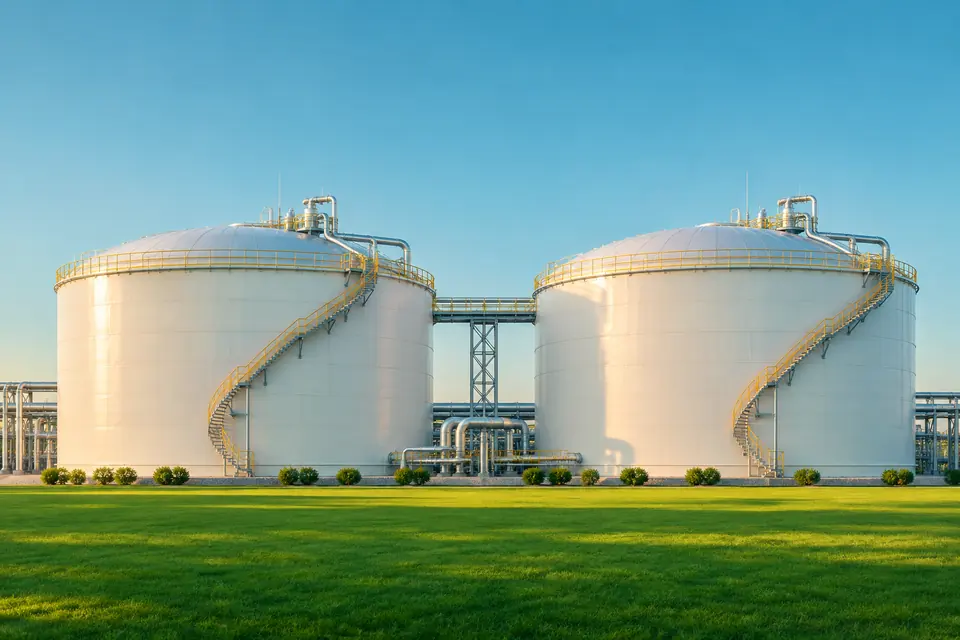
Atmospheric refrigerated tanks with boil-off gas handling, the standard for seaborne ammonia trade, sized to the export parcel rather than a fixed number of days.
No technology supplier, licensor or EPC contractor has been selected. Selection will follow competitive requests for quotation with performance guarantees.
Power strategy
Firm renewable power is the largest driver of cost and of certification.
Four supply routes have been modelled hour by hour. The lead case is firm power purchased from existing hydropower, which lets the electrolysers run at high utilisation with the smallest installed capacity.
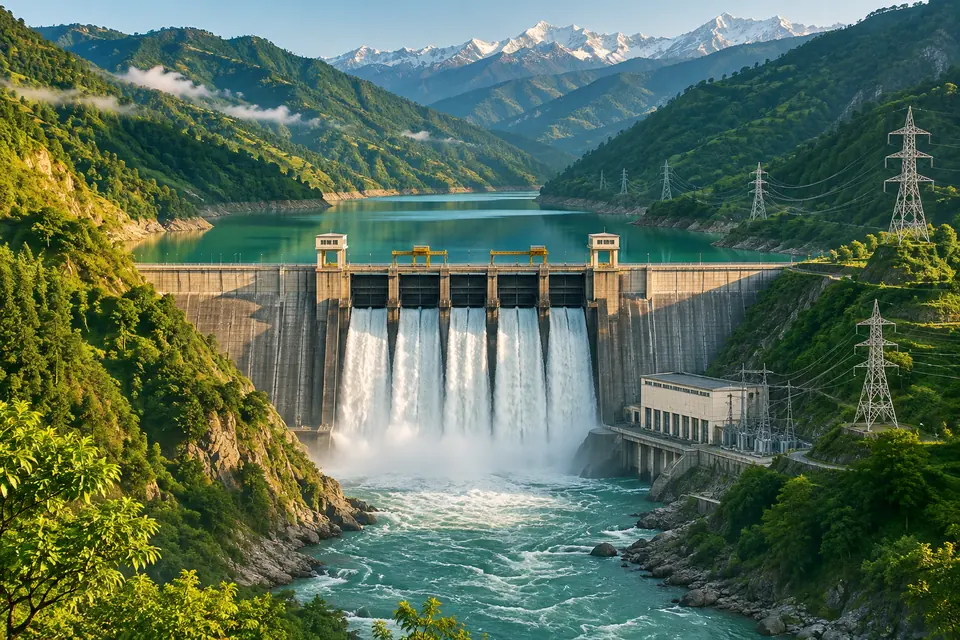
Electricity sourcing is being structured to meet India's Green Hydrogen Certification Scheme, which requires renewable supply under power purchase agreements and an emissions intensity at or below 2.0 kg CO₂e per kg of hydrogen.
| Power route | Electrolyser capacity | Role |
|---|---|---|
| Purchased firm hydro | ~720 MW | Lead case |
| Owned solar + wind, with firm top-up | ~925 MW | Comparison |
| Owned wind, with firm top-up | ~1,080 MW | Comparison |
| Owned solar, with firm top-up | ~1,440 MW | Comparison |
Siting and logistics
Site selection follows evidence, not preference.
A site qualifies only when five things are true together: a usable land parcel, a legal and reliable water source, an electrical connection matched to the supply profile, product delivery rights, and an acceptable hazard and permitting footprint.
No site has been selected. Screening continues against these criteria.
Development roadmap
Stage gates to financial close and operation.
Each gate releases the next tranche of development spending only when the previous one is evidenced.
Pre-feasibility Complete
Design basis, market, technology, siting, power, shipping, incentives and financing research, with a tested economic model.
Partnering and site control Current
Strategic sponsor engagement, power supply term sheets, land and water rights, and supplier requests for quotation.
Feasibility and pre-FEED Planned
Site-specific engineering, environmental and social baseline studies, and quoted cost estimates.
FEED, offtake and permitting Planned
Front-end engineering design, binding offtake, environmental clearance and statutory approvals.
Financial close Planned
EPC award, lender due diligence, debt and equity documentation, final investment decision.
Construction and commissioning Planned
Build, performance testing, certification and first commercial ammonia.
Supplying power, technology or a site?
We welcome proposals from renewable generators, electrolyser and ammonia technology providers, EPC contractors, ports and industrial estates.